General Information
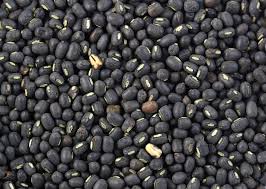
Black gram, commonly known as urad, is an important pulse crop widely grown in India for its high nutritional value and soil-enriching properties. It is a rich source of protein, carbohydrates, and essential minerals, making it a vital component of the Indian diet. Black gram improves soil fertility through nitrogen fixation, making it beneficial in crop rotations. It is used in various culinary preparations such as dal, papad, dosa, and idli batter, and also serves as valuable fodder and green manure.
Black gram thrives well in warm and humid climates. It requires moderate rainfall and plenty of sunshine during its growth period. Excessive rain or waterlogging during flowering and pod formation can reduce yield. Dry weather during maturity favours good seed quality and easy harvesting.
| Temperature | Rainfall | Sowing Temperature | Harvesting Temperature |
| 25-35 °C | 600-800 mm | 25-30 °C | 20-25 °C |
Soil
Black gram grows best in well-drained loamy or clay-loam soils rich in organic matter. It can also be cultivated in slightly heavier soils, provided drainage is good. The ideal soil pH ranges between 6.0 and 7.5. Sandy soils with poor fertility should be avoided as they reduce yield. Proper land preparation ensures good tilth and better root development, while excessive moisture or waterlogging should be prevented during the crop period.
Varieties
T-9
T-9 is an early-maturing black gram variety suitable for both Kharif and summer cultivation. It produces bold, shiny black seeds and performs well under a wide range of soil and climatic conditions. The variety shows good tolerance to drought and yellow mosaic virus (YMV). The average yield in Uttar Pradesh is about 10–12 quintals/ha.
Pant U-19
Pant U-19 is a medium-duration variety that matures in about 80–85 days. It performs well under both irrigated and rainfed conditions. The plants are sturdy, with uniform pods and good seed quality. It is resistant to YMV and powdery mildew. The average yield is around 12–14 quintals/ha.
Azad Urd-1
Azad Urd-1, developed by CSA University, Kanpur, is well-suited for cultivation in eastern and central Uttar Pradesh. It matures in about 80–85 days and produces uniform, bold black seeds. The variety is moderately resistant to YMV and adaptable to varying field conditions. The average yield is 11–13 quintals/ha.
PU-31
PU-31 is an early-maturing variety, taking about 70–75 days to harvest, and is suitable for summer cultivation. It produces compact pods and is tolerant to lodging and major foliar diseases. The variety is resistant to YMV. The average yield is about 10–12 quintals/ha.
Pant U-30
Pant U-30 is a high-yielding black gram variety suitable for the Kharif season. It matures in about 80–90 days and produces uniform pods with good seed filling. It shows resistance to major foliar diseases and pod shattering. The average yield is around 12–14 quintals/ha.
Narendra Urd-1
Narendra Urd-1 is recommended for eastern Uttar Pradesh and matures in about 75–80 days. The plants are robust, with bold, shiny seeds and good adaptability to rainfed conditions. It is resistant to YMV and root rot. The average yield is about 11–13 quintals/ha.
Land Preparation
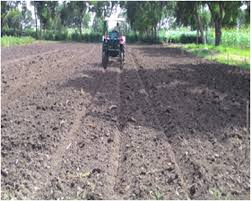
Land for black gram should be prepared to a fine tilth to facilitate good germination and root development. Plough the field 2–3 times, followed by harrowing and leveling to achieve a uniform seedbed. Incorporate well-decomposed farmyard manure or compost @ 8–10 tonnes per hectare during the last ploughing to enhance soil fertility and moisture retention. Ensure the field is free from weeds and previous crop residues to prevent pest and disease carryover. Proper drainage is essential, especially during the Kharif season, to avoid water stagnation.
Sowing
Sowing Time
In Uttar Pradesh, black gram is mainly sown during the Kharif season (June–July) with the onset of monsoon. It can also be grown as a summer crop (March–April) under irrigated conditions. Timely sowing ensures better growth and yield, while delayed sowing may lead to reduced seed setting due to terminal moisture stress.
Sowing Depth
Seeds should be sown at a depth of 3–5 cm. Shallow sowing may lead to poor germination in dry conditions, while deep sowing can delay emergence and weaken seedlings.
Spacing
Maintain a spacing of 30 cm between rows and 10 cm between plants under normal conditions. For irrigated summer crops, slightly closer spacing (25 × 8 cm) can be adopted to ensure better canopy coverage and yield.
Method of Sowing
Line sowing is preferred over broadcasting as it ensures uniform plant population, easy weeding, and efficient nutrient management. Use seed drills or hand dibbling for uniform placement. Seeds should be treated with fungicides (Carbendazim @ 2.5 g/kg seed) and Rhizobium culture before sowing to protect against seed-borne diseases and enhance nitrogen fixation.
Seed Rate
For rainfed conditions, use 20–25 kg seed per hectare, while under irrigated conditions, 25–30 kg seed per hectare is recommended, depending on seed size and germination rate.
Fertilizer
Nutrient Requirement (kg per hectare)
| NITROGEN | PHOSPHORUS | POTASH |
| 15- 20 | 40–50 | 25–30 |
Fertilizer Requirement (kg per hectare)
| UREA | SSP | MOP |
| 32–43 | 250 – 310 | 40–51 |
Note
Here are the important guidelines for fertilizer application in black gram:
• Apply 8–10 tonnes/ha of well-decomposed FYM or compost during land preparation to improve soil structure and fertility.
• Apply 20 kg N/ha and 40–50 kg P₂O₅/ha as basal dose before sowing. Potash (20–25 kg K₂O/ha) should also be incorporated at sowing for better root and pod development.
• Treat seeds with Rhizobium and PSB (phosphate-solubilizing bacteria) cultures for improved nodulation and phosphorus uptake.
• Avoid excess nitrogen application as it promotes vegetative growth and delays flowering.
• In zinc-deficient soils, apply Zinc Sulphate @ 20–25 kg/ha to prevent chlorosis and ensure healthy crop growth.
• Apply foliar spray of 2% DAP or 1% KNO₃ at the flowering stage to enhance pod filling and yield.
Nutrient Deficiency
Zinc Deficiency
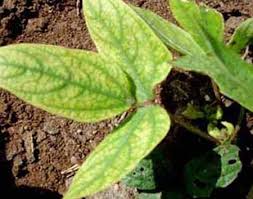
In black gram, zinc deficiency causes stunted plant growth with shortened internodes and smaller leaves. The young leaves develop interveinal chlorosis (yellowing between veins) while veins remain green. In severe cases, leaves may dry at the tips, and flowering and pod setting are adversely affected, leading to reduced yield and poor-quality seeds.
Management
Apply Zinc Sulphate @ 25–30 kg/ha as a basal dose at sowing. In standing crops, foliar spray of 0.5% Zinc Sulphate + 0.25% Lime solution at 10–15 day intervals helps in quick correction of deficiency symptoms.
Boron Deficiency
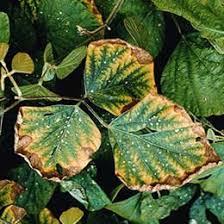
Boron deficiency leads to thick, brittle, and deformed leaves in black gram. Growing tips may die back, and flowers drop prematurely, resulting in poor seed set and malformed pods. Corm and root development are also affected under prolonged deficiency.
Management
Apply Borax or Boric Acid @ 10–12 kg/ha as a basal dose during final land preparation. For quick relief, foliar spray of 0.2% Borax (2 g/litre of water) during the flowering stage helps improve seed setting and pod quality.
Iron Deficiency
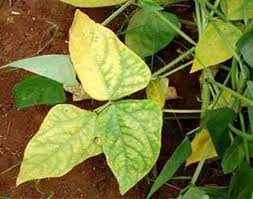
Iron deficiency is common in calcareous or alkaline soils. It causes interveinal chlorosis on younger leaves, where veins remain green but the rest of the leaf becomes pale yellow or whitish. In severe cases, photosynthesis is reduced, resulting in weak plants and lower biomass.
Management
Apply Ferrous Sulphate @ 25–30 kg/ha along with organic manure to enhance iron availability in soil. Foliar spray of 0.5% Ferrous Sulphate + 0.25% Lime solution at 10–15 day intervals should be done until the deficiency symptoms subside.
Molybdenum Deficiency
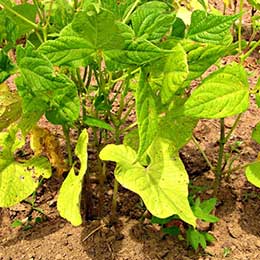
Molybdenum deficiency affects nitrogen fixation as it hampers nodulation. Plants exhibit overall yellowing of leaves, weak stem growth, and poor pod filling. Nodules, if present, are few and ineffective, resulting in lower yield.
Management
Apply Sodium Molybdate @ 0.5–1.0 kg/ha as soil application before sowing. Seeds can also be treated with a 0.02% Sodium Molybdate solution (2 g per 10 litres of water) before sowing to enhance nodulation and prevent nitrogen deficiency.
Intercultural Operations
Weeding
Regular weeding and hoeing should be carried out to maintain proper soil aeration and reduce competition for nutrients, moisture, and sunlight. The first weeding is usually done 20–25 days after sowing, followed by a second weeding around 40–45 days if necessary. Timely weed control ensures healthy crop growth and better yield.
Earthing Up
Earthing up should be done after the second weeding by drawing soil around the base of plants. This practice improves root anchorage, prevents lodging, and enhances soil moisture conservation. It also helps in better nodulation and overall plant stability.
Top of Form
Bottom of Form
Irrigation
After sowing, a light irrigation should be given to ensure uniform germination. Subsequent irrigations are provided depending on soil type and rainfall. Generally, irrigation at intervals of 10–15 days is sufficient during dry periods. Critical stages for irrigation are flowering and pod formation, as moisture stress during these stages can drastically reduce yield. Avoid excessive irrigation and waterlogging, as black gram is sensitive to standing water and which may lead to root rot and poor nodulation.
Plant Protection
Major Insect–Pests and Their Management
| Major Insect/Pest | Symptoms | Peak Stage of Infestation | Management |
| Aphids | Suck sap from young shoots and tender leaves, causing curling, yellowing, and stunted growth; heavy infestation leads to sticky honeydew and sooty mold. | Vegetative to flowering stage | Spray Dimethoate 0.05% or Imidacloprid 0.005%; conserve natural predators like ladybird beetles and lacewings. |
| Whitefly | Causes yellowing and curling of leaves by sucking sap; transmits Yellow Mosaic Virus (YMV). | Vegetative to pod formation stage | Spray Thiamethoxam 0.025% or Imidacloprid 0.005%; remove and destroy infected plants. |
| Pod Borer (Helicoverpa armigera) | Bore into flowers and pods; seeds are eaten partially or completely, reducing yield. | Flowering to the pod formation stage | Spray Spinosad 0.3 ml/litre or Emamectin benzoate 5 SG @ 0.4 g/litre; use pheromone traps @ 5/acre. |
| Jassids | Nymphs and adults suck sap from the undersides of leaves, leading to yellowing and curling at the edges. | Vegetative stage | Spray Dimethoate 0.03% or Neem oil 3%; avoid excessive nitrogen application. |
| Hairy Caterpillar | Feed on foliage, leaving only veins; severe infestation causes complete defoliation. | Early vegetative stage | Collect and destroy egg masses and larvae; spray Quinalphos 0.05% or use light traps at night. |
| Stem Fly | Maggots bore into the stem base, causing drying and wilting of young seedlings. | Seedling stage | Treat seeds with Imidacloprid @ 5 g/kg before sowing; apply Chlorpyriphos 0.05% if infestation occurs. |
Aphids
Aphids are tiny, soft-bodied insects that attack the tender parts of black gram plants, such as young shoots, buds, and leaves. They suck the sap, which causes the leaves to curl, wrinkle, and turn yellow. Heavy infestations lead to the secretion of honeydew, a sticky substance that attracts sooty mold, forming a black coating on the leaves and reducing photosynthesis. Prolonged infestation can cause stunted growth and poor pod development.

Management: Spray Dimethoate 0.05% or Imidacloprid 0.005% when the pest appears. Encourage natural enemies like ladybird beetles and lacewings to help in biological control.
Whitefly
Whiteflies are small, white, flying insects that feed on the undersides of leaves by sucking plant sap. This leads to yellowing, curling, and drying of leaves. The most damaging effect of whitefly is its role as a vector of the Yellow Mosaic Virus (YMV), which severely reduces crop yield and quality. Continuous infestation weakens plants and interferes with normal growth and pod formation.

Management: Spray Thiamethoxam 0.025% or Imidacloprid 0.005% at the initial appearance. Remove and destroy infected plants immediately to prevent the spread of YMV.
Pod Borer
Pod borers are one of the most destructive pests of black gram. The larvae feed voraciously on flowers and bore into developing pods, damaging seeds inside. Affected pods show holes, and the seeds may be partially eaten or destroyed, leading to a significant reduction in both yield and quality. In severe infestation, the pest can destroy entire flower clusters.
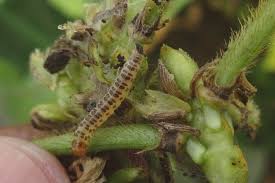
Management: Spray Spinosad 0.3 ml/litre or Emamectin benzoate 5 SG @ 0.4 g/litre at flowering and pod initiation stages. Install pheromone traps (5 per acre) to monitor and reduce adult moth populations.
Jassids
Jassids, also known as leafhoppers, are small, greenish insects that suck sap from the undersides of leaves. The affected leaves develop yellow edges, curl upward, and eventually dry off. Continuous feeding weakens the plant and reduces flowering and pod formation. In severe cases, the plants appear scorched and stunted.
Management: Spray Dimethoate 0.03% or Neem oil 3%. Maintain a balanced nutrient supply, avoiding excessive nitrogen, which encourages pest multiplication.
Hairy Caterpillar
The hairy caterpillar is a serious defoliator of black gram. The larvae feed on leaves, leaving only the veins intact. Severe infestation can lead to complete defoliation, exposing the pods to sun damage and drastically reducing yield. Adult moths lay egg masses on the undersides of leaves, which hatch into larvae that feed in groups.

Management: Collect and destroy egg masses and young larvae manually in early stages. Spray Quinalphos 0.05% if infestation increases, and install light traps at night to attract adult moths.
Stem Fly
The stem fly attacks seedlings soon after germination. The maggots bore into the stem near the base, causing yellowing and wilting of young plants. Affected seedlings show tunnel-like damage inside the stem, which disrupts nutrient and water flow, leading to plant collapse. In severe cases, large patches of the field may wilt and die.

Management: Treat seeds with Imidacloprid @ 5 g/kg before sowing to prevent infestation. If the pest appears, spray Chlorpyriphos 0.05% around the base of the plants.
Major Diseases and Their Management
| Major Disease | Symptoms | Peak Stage of Infestation | Management |
| Yellow Mosaic Virus (YMV) | Yellow patches on leaves that merge, leading to complete yellowing; plants remain stunted and yield drastically reduces. | Vegetative to pod formation stage | Uproot and destroy infected plants; control whitefly vector with Imidacloprid 0.005%; grow resistant varieties (e.g., Pant U-31, PU-19). |
| Cercospora Leaf Spot | Circular brown to dark spots on leaves with yellow margins, causing premature leaf fall. | Vegetative to flowering stage | Spray Mancozeb 2.5 g/litre or Carbendazim 1 g/litre at 15-day intervals. |
| Powdery Mildew | White powdery growth on leaves and pods; affected leaves dry prematurely. | Late vegetative to pod filling stage | Spray wettable sulphur @ 2 g/litre or Dinocap 0.3 ml/litre. |
| Anthracnose | Dark sunken spots on stems, pods, and leaves; severe infection causes drying of affected parts. | Flowering to the pod formation stage | Use disease-free seed and spray Carbendazim @ 1 g/litre or Mancozeb @ 2.5 g/litre alternately. |
| Rhizoctonia Root Rot / Dry Root Rot | Yellowing, drooping, and rotting of roots at the base; plants wilt suddenly. | Early to mid-growth stage | Treat seeds with Trichoderma @ 4 g/kg seed; drench soil with Carbendazim 0.1% near the root zone. |
| Bacterial Leaf Spot | Small water-soaked spots enlarge and turn dark brown; leaves may drop prematurely. | Vegetative stage | Spray Streptocycline 100 ppm + Copper Oxychloride 2 g/litre; avoid overhead irrigation. |
Yellow Mosaic Virus (YMV)
This is the most serious disease of black gram, transmitted by the whitefly. The disease first appears as small yellow patches on the upper leaves, which later spread and merge, causing the entire leaf to turn yellow or mosaic-patterned. Infected plants become stunted, flower poorly, and produce very few pods. The disease can reduce yield by more than 80% if infection occurs early.
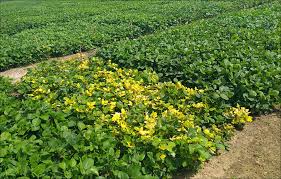
Management: Uproot and destroy infected plants as soon as symptoms appear. Control the whitefly vector by spraying Imidacloprid 0.005%. Growing resistant varieties such as Pant U-31 and PU-19 is the most effective preventive measure.
Cercospora Leaf Spot
Cercospora leaf spot appears as small, circular to irregular brown spots with yellow margins on the leaves. These spots gradually enlarge, coalesce, and cause premature leaf fall. The disease spreads rapidly under warm and humid conditions, reducing photosynthetic area and ultimately affecting pod filling and yield.

Management: Spray Mancozeb 2.5 g/litre or Carbendazim 1 g/litre at 10–15-day intervals. Use disease-free seeds and adopt crop rotation to prevent recurrence.
Powdery Mildew
Powdery mildew is easily identified by white, powdery fungal growth on both sides of the leaves, stems, and sometimes pods. As the disease progresses, the leaves dry and drop prematurely, reducing photosynthesis and seed formation. The disease is more common in dry, warm weather with high humidity.

Management: Spray wettable sulphur 2 g/litre or Dinocap 0.3 ml/litre when symptoms first appear. Avoid dense planting and ensure good air movement in the field.
Anthracnose
Anthracnose affects stems, petioles, pods, and leaves. The disease causes small, dark, sunken lesions that enlarge and become covered with black fungal fruiting bodies. In severe cases, stems and pods crack, dry, and fall off, leading to heavy yield loss. The disease survives in infected seeds and plant residues.

Management: Use disease-free seeds and practice crop rotation. Spray Carbendazim 1 g/litre or Mancozeb 2.5 g/litre alternately to manage infection.
Rhizoctonia Root Rot / Dry Root Rot
This disease attacks plants at any stage, particularly during hot and dry conditions. Affected plants show yellowing, drooping, and wilting of leaves. On uprooting, the roots appear brown, dry, and rotten with minute black fungal structures. Infected patches in the field appear as circular dead areas.

Management: Treat seeds with Trichoderma @ 4 g/kg before sowing. Drench the affected area with Carbendazim 0.1% and avoid waterlogging. Proper crop rotation also helps in reducing disease buildup.
Bacterial Leaf Spot
Bacterial leaf spot begins as small, water-soaked spots that enlarge and turn dark brown or black. The lesions often have a yellow halo and may merge to form large patches, leading to premature leaf drop. High humidity and rainfall favour the spread of this disease.

Management: Spray Streptocycline 100 ppm mixed with Copper Oxychloride 2 g/litre at 10-day intervals. Avoid overhead irrigation and ensure adequate spacing between plants for air circulation.
Harvesting
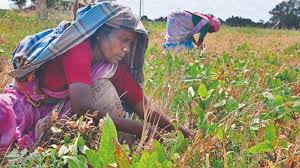
Black gram is harvested when most pods turn black or brown and the lower leaves begin to dry. Harvesting is best done early in the morning to reduce losses due to shattering. The harvested crop is dried under the sun for 3–4 days before threshing to ensure proper separation of seeds from pods.
Yield
Under good management, black gram yields about 10–12 quintals per hectare under rainfed conditions and 15–18 quintals per hectare under irrigated conditions, depending on variety and cultivation practices.
Post-Harvest Management
After threshing, the grains are cleaned and sun-dried until the moisture content reaches around 10%. Well-dried seeds are stored in airtight bags or containers in a cool, dry place to avoid insect and fungal attack. For seed storage, treat seeds with appropriate protectants to maintain viability and prevent damage.
Sources
Indian Agricultural Research Institute, New Delhi
Department of Agriculture, UP
Ministry of Agriculture & Farmers Welfare